To view the technical documents, please fill out the form below. We will get back to you as soon as possible and you can log in and review with the password given by us. If you have a password, you can log in and continue by clicking "Sign In".
You can access the documentation by logging in from this area with the password given to you.
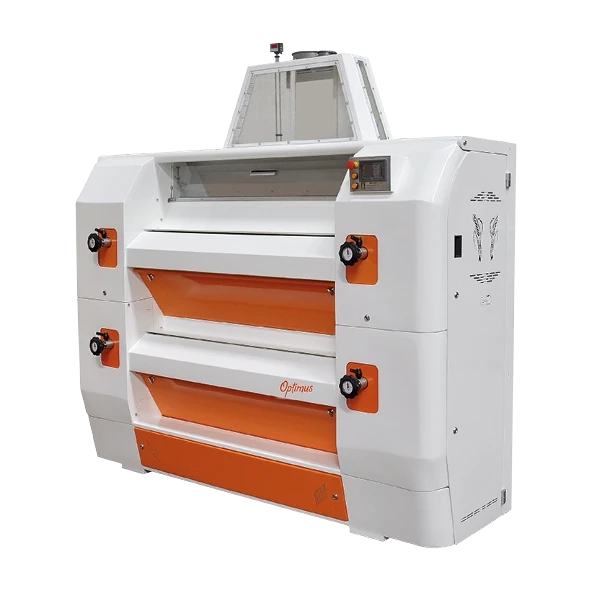
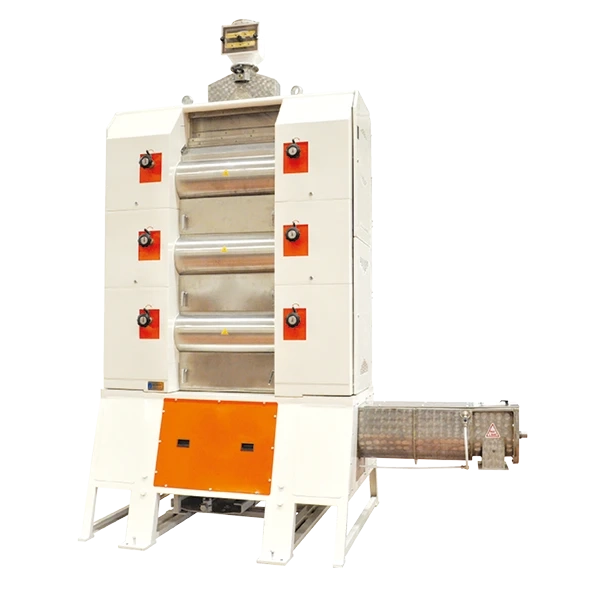
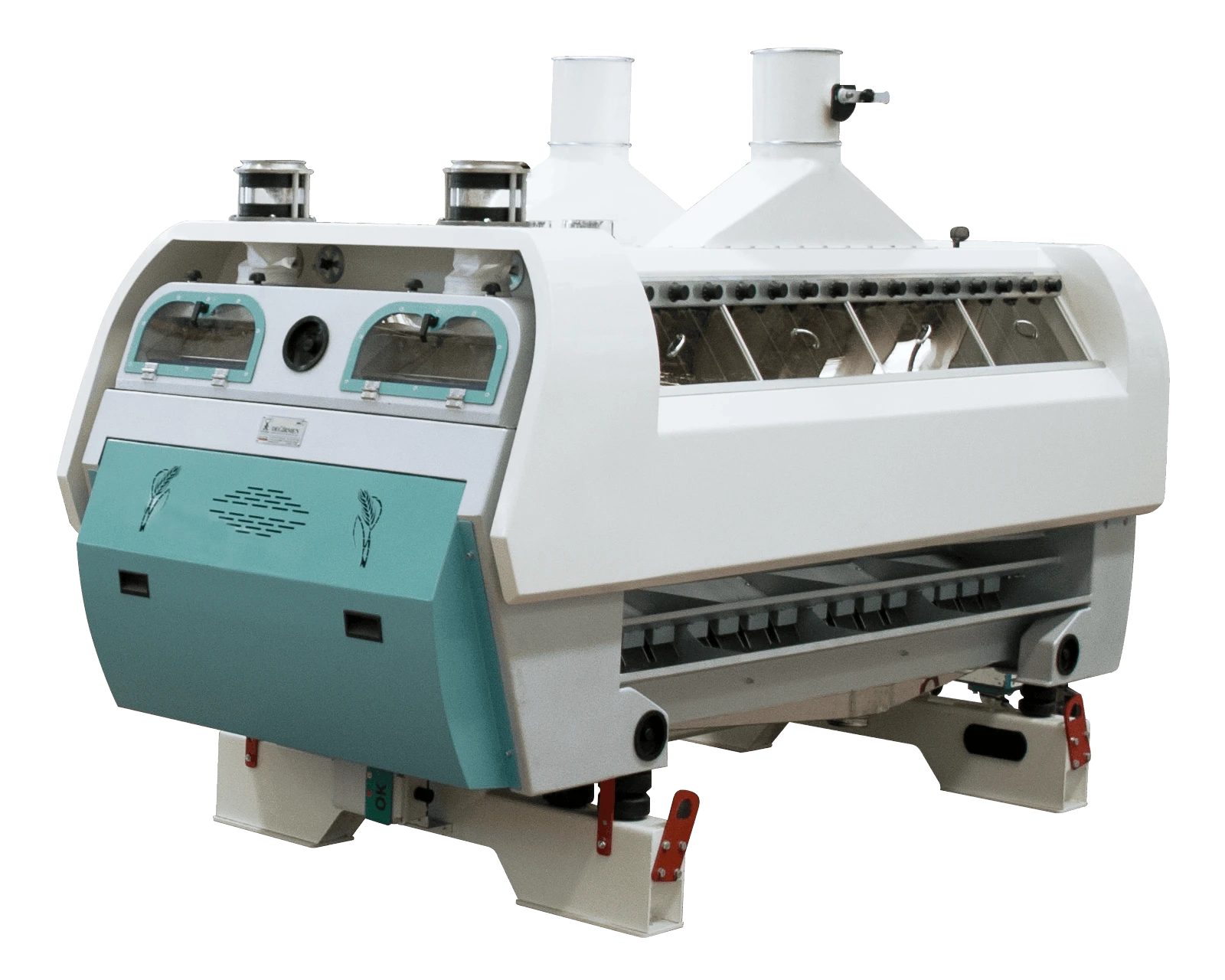
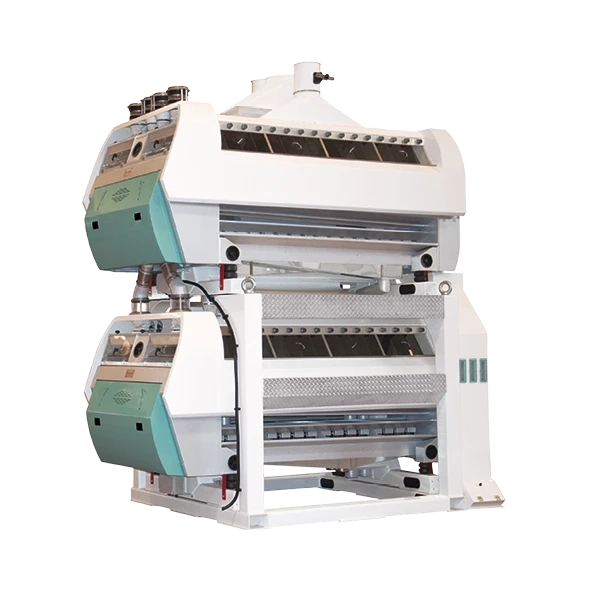
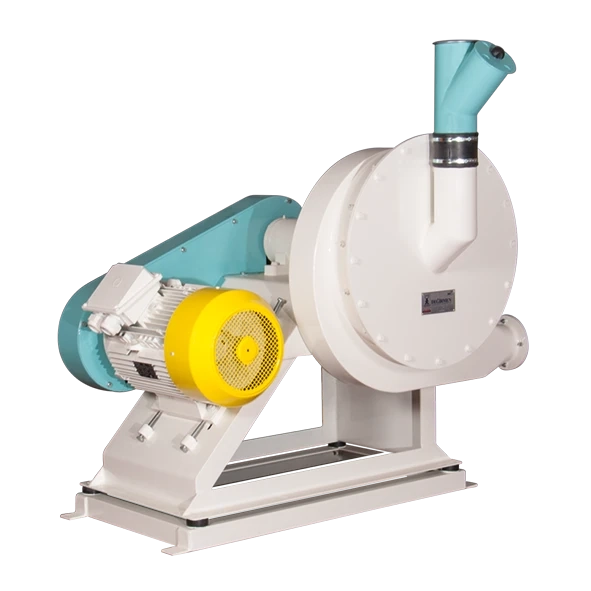
4th-generation industrial pasta-recovery and breaking roller mill
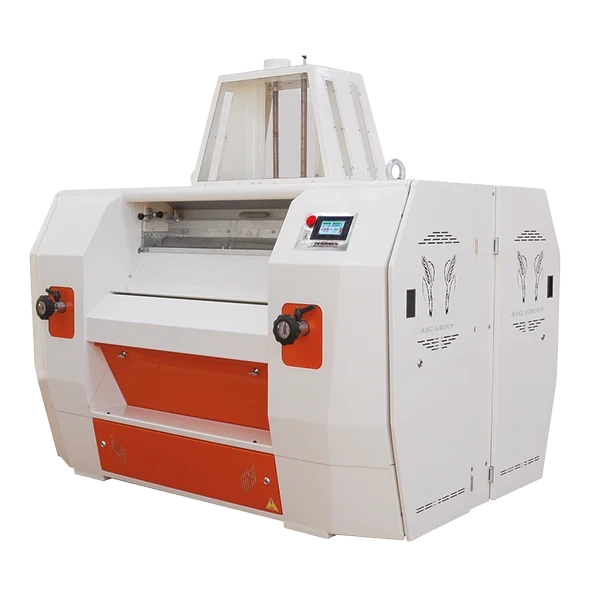
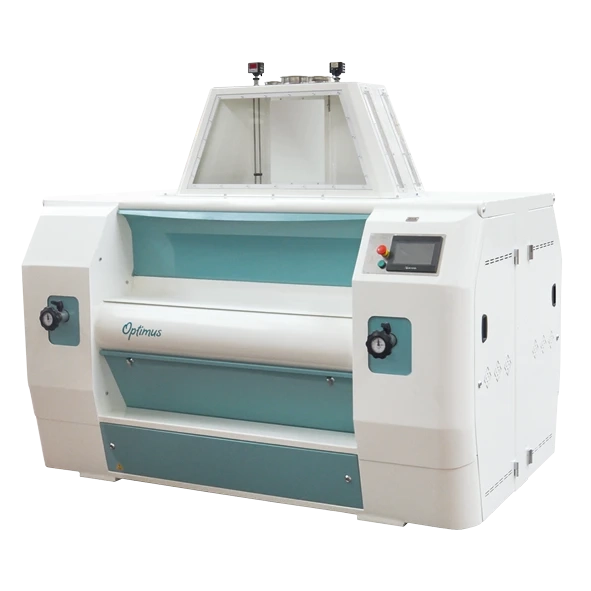
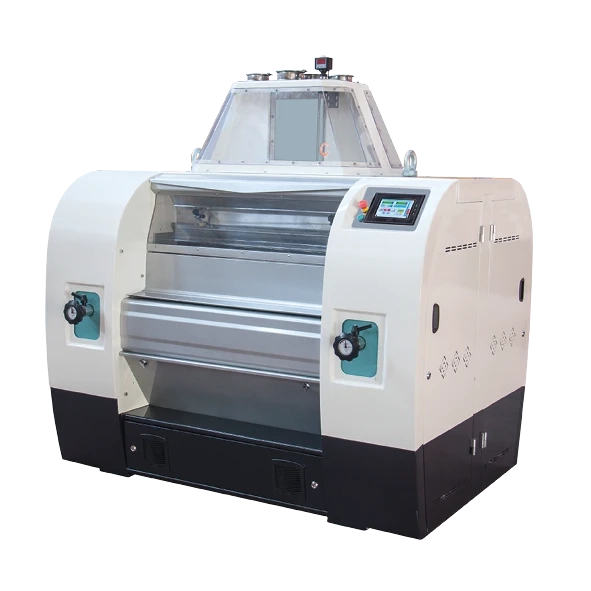
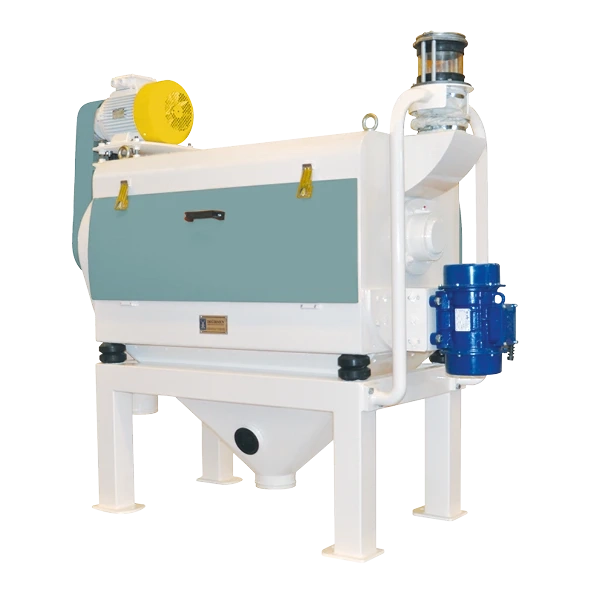
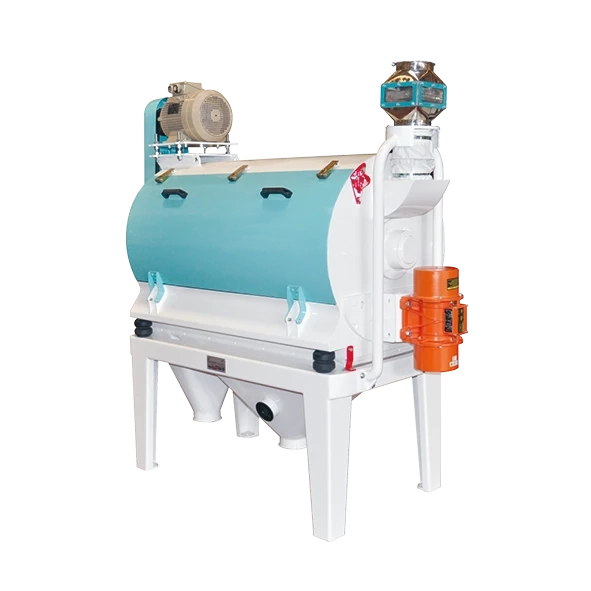
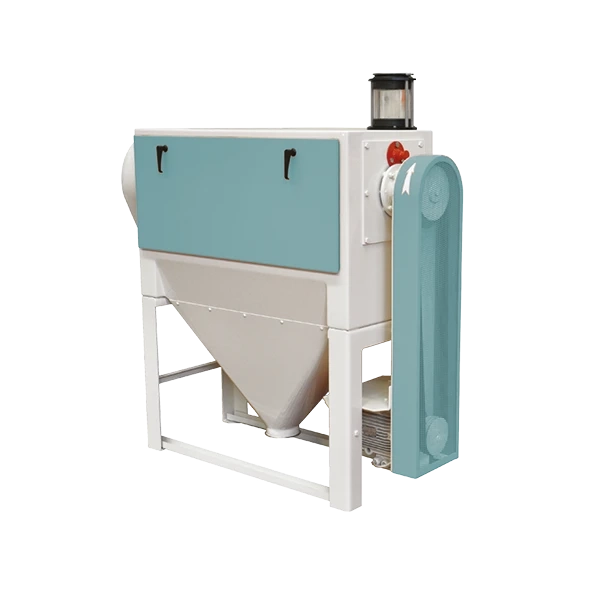
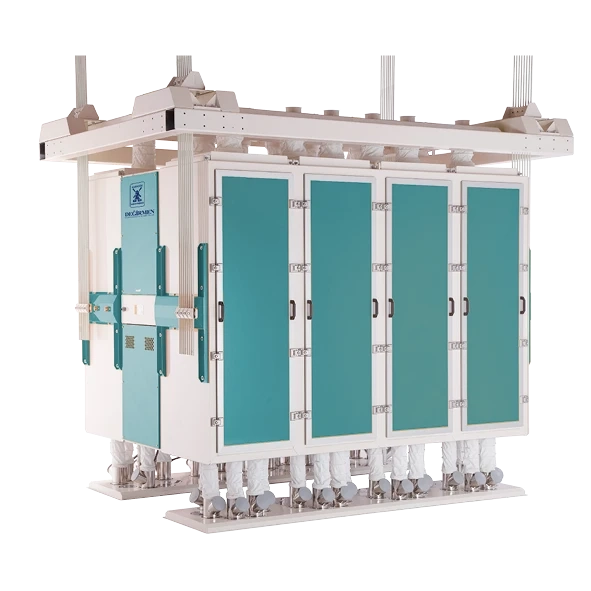
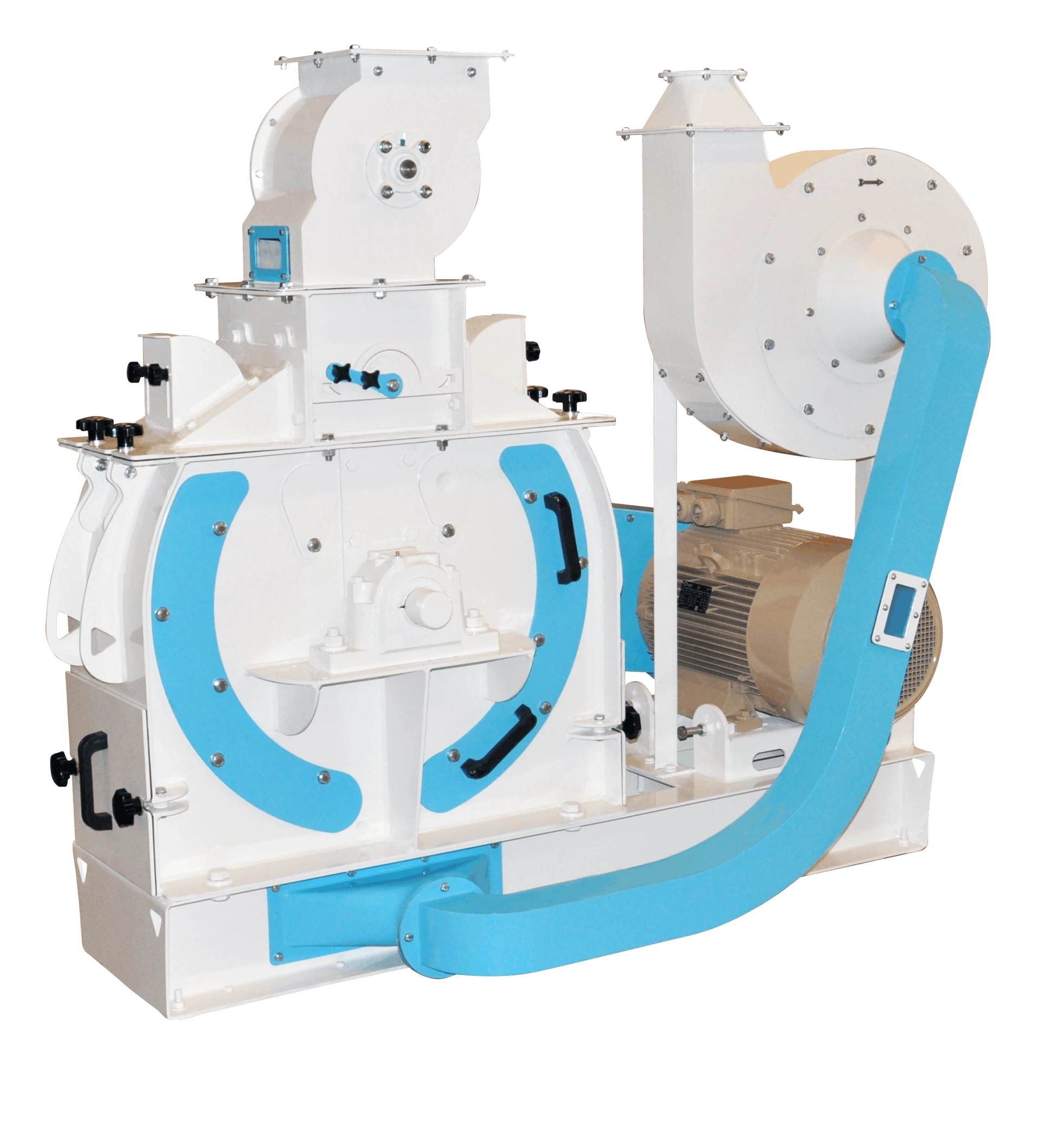
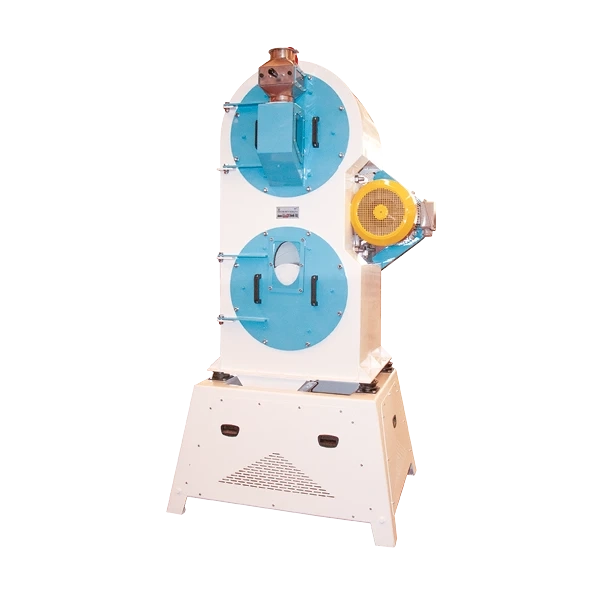
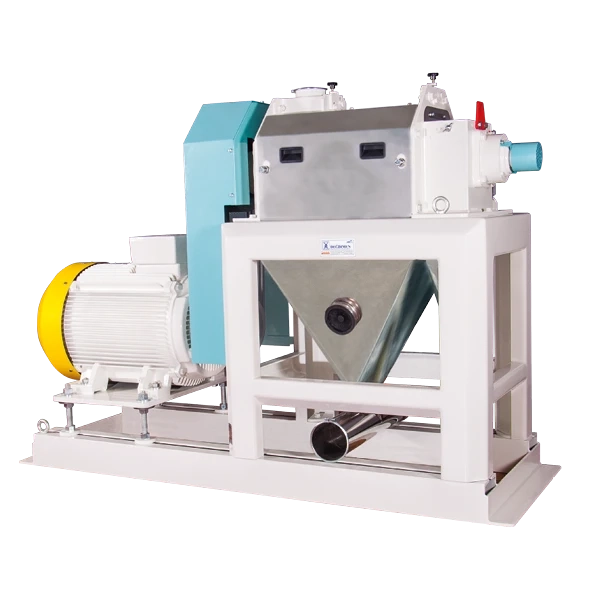
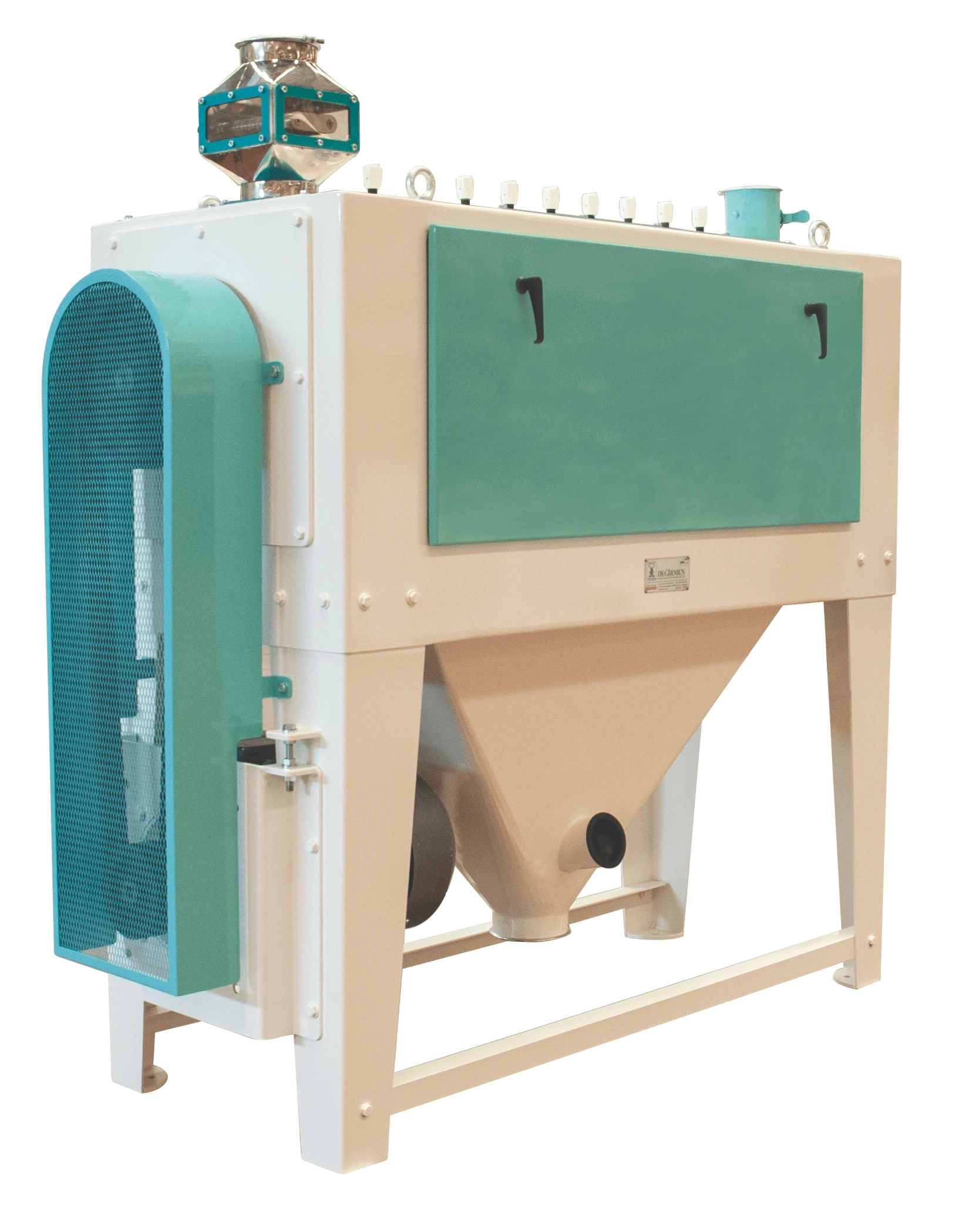
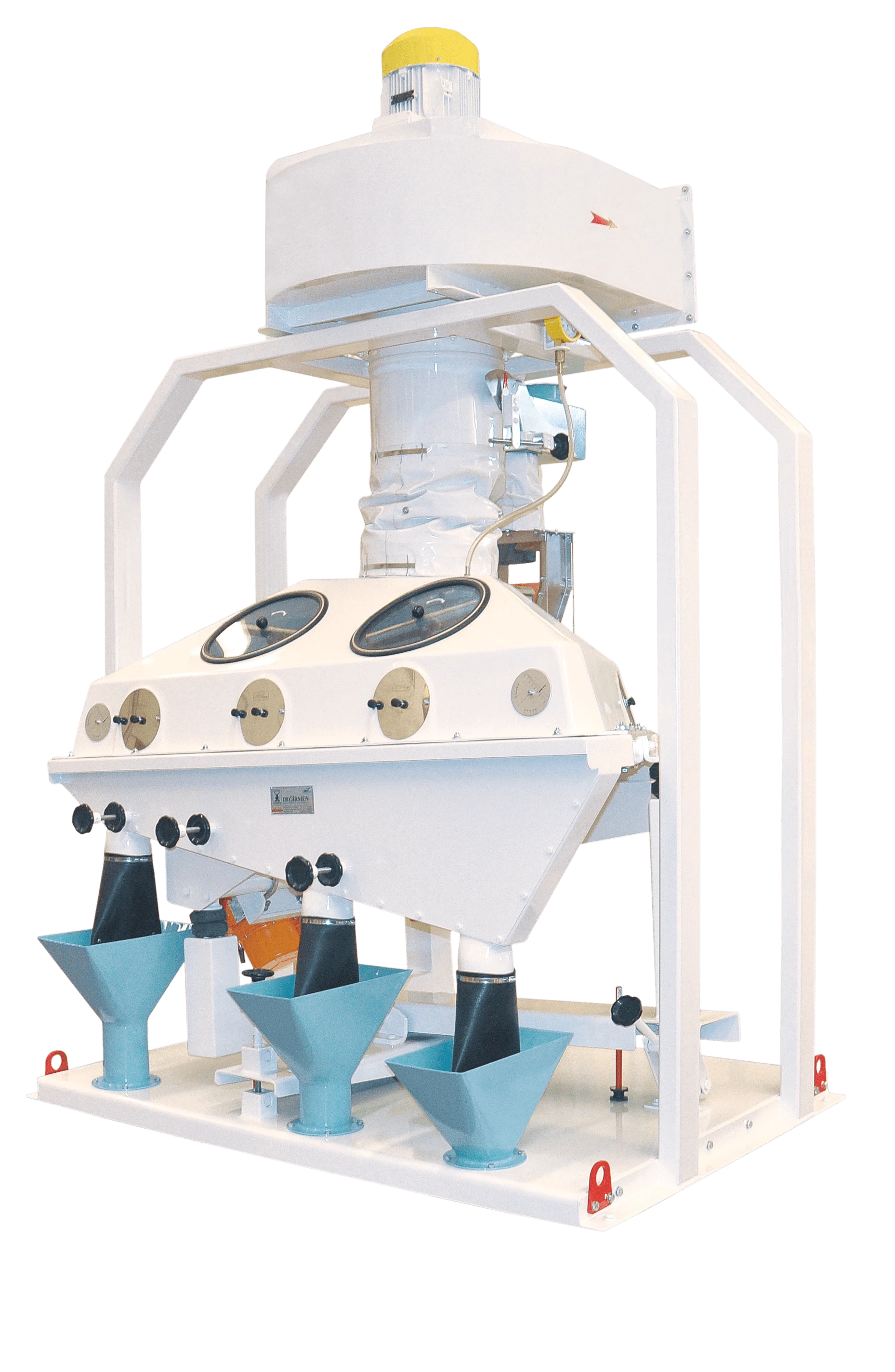
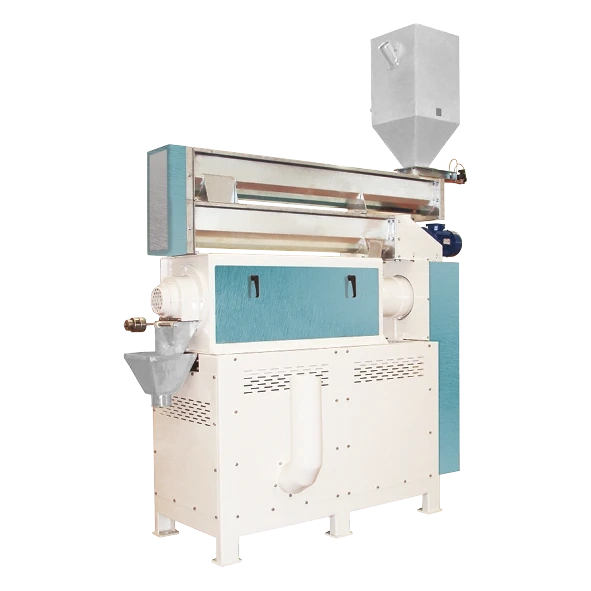
The OPTIMUS DDMY is a 4th-generation industrial breaking unit specially designed for the high-efficiency recovery of dry pasta — end-of-line breakage, packaging losses and reject production. Reinforced against the high-density, hard structure of dry pasta, the system applies breaking, cutting and controlled pressure forces simultaneously, bringing scrap to the ideal re-processable semolina form. It maximises the plant’s raw-material efficiency while driving the loss rate close to zero.
WORKING PRINCIPLE
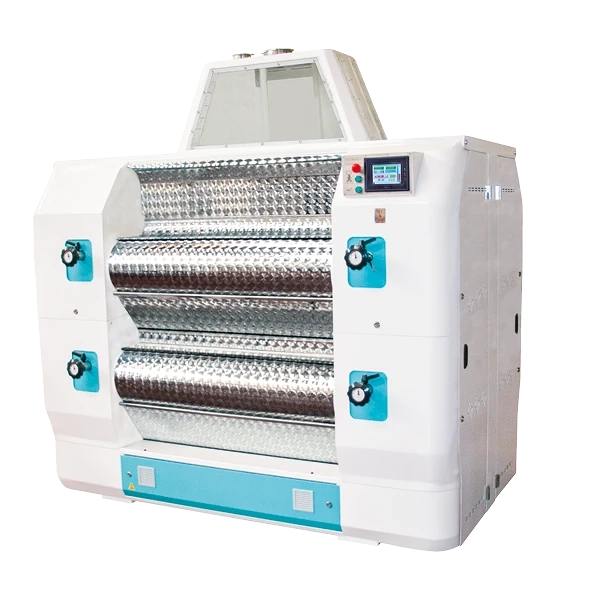
Controlled feed with load cells: the dry-pasta mass entering the top hopper from the recovery silo or conveying line is weighed instantly by high-precision load cells, preventing roll overload even with irregular scrap feeding. Triple-group system with PLC-based dynamic feeding: guided by density data from the load cells, the PLC feed unit engages; hardened feed rollers working as a triple group deliver reject pasta of different geometries (spaghetti, fusilli, bow-tie, etc.) between the rolls with flawless homogeneity across the full width. High-strength break and reduction rolls — semolina recovery: special-alloy, hardness-enhanced rolls resistant to the abrasive structure of dry pasta rotate at set speeds and differential ratios to grind the product; special fluting profiles (break) provide maximum semolina recovery with minimum dusting.
KEY ADVANTAGES
• Sustainable design & maximum raw-material efficiency: It turns reject production and line losses into standard semolina of a quality fit to be fed straight back into the main diagram, raising the plant’s overall profitability and preventing raw-material waste.
• Fast response via Cartridge-System: Tracking roll-fluting wear is critical in dry-pasta recovery; the fully opening front cover lets the rolls be removed and replaced as a single “pack/cartridge” with minimum downtime and maximum safety.
• Silent, oil-free heavy-duty timing-belt drive: Special high-strength timing belts eliminate the gearbox and the risk of oil leakage, providing a 100% hygienic, safe and extremely quiet operating environment.
• Enhanced dust isolation: Breaking dry pasta releases a lot of micro-dust; body-integrated anodised-aluminium front shields and special seals fully prevent it from escaping into the plant and ease the aspiration load.
• Flexible model and capacity options: Different body sizes and motor-power alternatives are available to suit the plant’s hourly scrap output and target recovery capacity.
• Recovery-diagram matrix: First passage (break): special-profile heavy-duty fluted rolls break the dry-pasta forms down to semolina size by high-strength cutting and breaking forces; second passage (reduction/calibration): smooth rolls homogenise and calibrate the recovered semolina by intensive pressure and crushing.
ENGINEERING NOTE
In dry-pasta recovery, the material’s extremely hard structure generates high friction heat on the rolls. The OPTIMUS 4th-Generation load-cell/PLC feed synchronisation adjusts roll speed and product flow in real time, preventing idling and overheating. This smart thermal control prevents the recovered semolina’s structure from degrading, preserving the gluten quality and cooking performance (al dente structure) of the pasta re-introduced to production.
 TR
 RU
 ES